Here is the article coded with the appropriate formatting tags:
When nurtured strategically, industry partnerships become powerful platforms for building employability, inspiring innovation, and achieving tangible outcomes.
Across higher education, engagement is increasingly recognised as a powerful driver of institutional relevance and sustainability. More than an added strength, it serves as a meaningful indicator of how universities connect learning with real-world impact. Guided by ACEEU's standards Influence Within The Ecosystem, Shared Goals and Impact institutions are encouraged to cultivate partnerships that create shared value, where students, communities, and industry partners grow through authentic and purposeful collaboration. At its best, engagement becomes a bridge between education and opportunity. The focus, therefore, shifts from questioning its importance to strengthening how it is designed and sustained. When engagement models are intentional and well-structured, they can enhance employability, inform curriculum innovation, and nurture long-term partnerships that enrich learning and create lasting transformation for all stakeholders.
Building Engagement as a Connected and Purposeful System
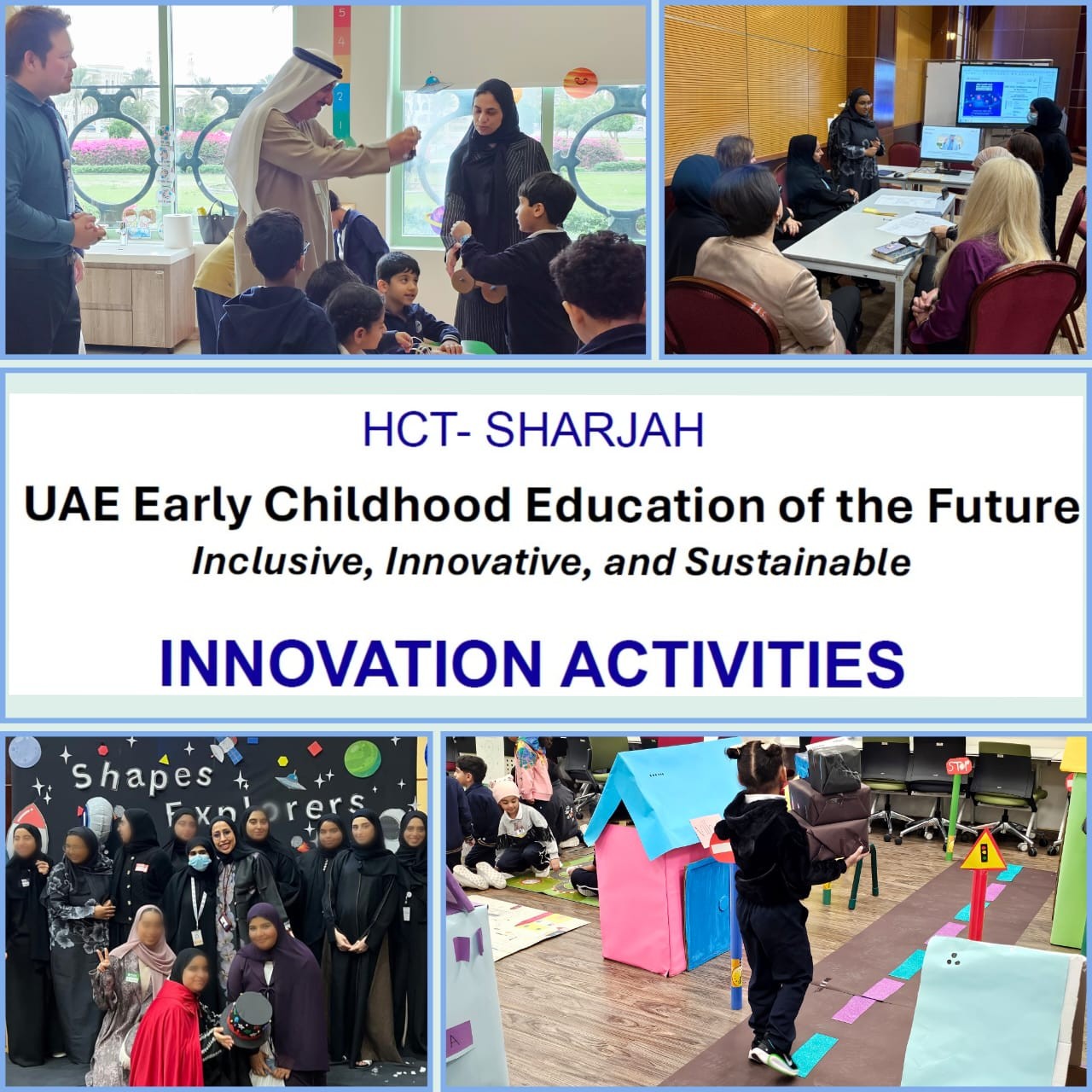
Innovation Event/Carnival Day – student-led early years workshops
Across universities, engagement often begins through individual initiatives: a guest speaker, a career fair, or a moment of visibility shared online. These efforts reflect commitment and energy, and their true strength emerges when they are intentionally connected within a wider structure. When supported by a clear and purposeful system, these touchpoints create continuity, depth, and sustained outcomes.
In engaged institutions, partnerships grow as an ecosystem shaped by shared goals, mutual benefit, and visible progress. Each interaction contributes to a broader culture of collaboration and growth. This perspective aligns with ACEEU's standard Shared Goals, as engagement becomes most powerful when embedded into institutional practice and meaningfully linked to learning, innovation, and community development.
Turning UAE National Priorities into Strategic Opportunities

Round Table Discussion with senior leaders
In AY 2023, the expansion of Emiratization mandates across private sector roles signaled a strong national direction. For higher education institutions, such shifts present valuable opportunities for alignment, innovation, and forward planning. With the right strategy, policy developments can inspire new pathways that strengthen graduate readiness and workforce integration.
This environment shaped the foundation of the HCTeachers of Tomorrow initiative, developed as a platform to deepen industry engagement while celebrating Emirati teacher excellence through structured and measurable partnership pathways.
Advancing Partnerships Through Shared Ownership and Collaboration
Strategic engagement grows when relationships evolve from simple connections into collaborative design. Rather than positioning schools solely as placement providers, partners were invited to contribute to a shared talent-development journey.
This approach nurtured a stronger partnership identity, where industry voices became valued contributors to employability skills, program relevance, and student readiness. Over time, the emphasis shifted from access to stakeholders toward shared ownership of outcomes, strengthening trust and sustaining long-term collaboration. This collaborative model reflects ACEEU's standard Influence Within the Ecosystem, which highlights the role of universities as active contributors to the development of their wider professional and societal environment.
The strength of an engagement strategy is most visible in how initiatives connect and build upon one another. Within HCTeachers of Tomorrow, each activity was intentionally designed as part of an integrated system, creating continuity, purpose, and shared value across partners.
Reimagining Career Pathways Through YES–EducationYES (Yatir Education Summit), "Yatir" means Falcon, the national bird of the UAE, transformed the traditional career fair into a dynamic engagement space where students connected directly with private school leaders. Conversations centered on apprenticeships, employer expectations, fair compensation models, and pathways from practicum to long-term employment. The summit also created opportunities for applied research collaborations between the university and partner schools.
Showcasing Practice Through Immersive Innovation EventsTo strengthen reciprocal engagement, immersive events were designed where partner teachers and students participated in student-led workshops demonstrating early childhood best practices. These included integrated curriculum activities, interest-based learning, and naturalistic teaching approaches that allowed partners to witness professional capability in action.
Elevating Partner Voices Through Collaborative Round TablesEngagement deepens when industry insight informs institutional decisions. Through structured round table discussions, leaders from private and government schools shared perspectives on classroom realities, graduate readiness, and practicum expectations. Their contributions supported curriculum refinement, including stronger alignment in practicum experiences and classroom management preparation.
Bringing Student Research to Real-World AudiencesA key feature of engaged institutions is ensuring research reaches beyond academic spaces. In flagship research presentations, students shared applied work on inclusive pedagogy, Emirati culture, and early years best practices, followed by workshops for industry partners. Several ideas were embraced by partner schools, reinforcing the practical value of student research.
Creating Knowledge Through Applied Research PartnershipsEngagement and innovation come together when collaboration generates new knowledge. By connecting student and faculty research with partner needs, relationships expanded beyond employment into co-developed strategies for educational improvement and innovation.
Nurturing Professional Identity and LeadershipOne of the most powerful outcomes of engagement is identity formation. When students are recognised as emerging professionals and contributors to sector growth, their confidence, employability, and leadership readiness grow in meaningful ways.
Strengthening Engagement Through Evidence and Impact
Engagement becomes sustainable when it is supported by outcomes that partners can see and trust. Within this initiative, measurable achievements included:
100% employer satisfaction in student work placement52% increase in students expressing preference for private-sector employment70% of graduates employed in the private sector within 9 months12 applied research outputs adopted by industry partnersThese indicators complement the human stories behind the work, strengthening engagement through credibility and shared confidence.
Recognition as a Reflection of Collective Success
When engagement is deeply embedded, its impact becomes visible beyond the institution. The
HCTeachers of Tomorrow initiative received international recognition, including Runner-Up for
Engaged Academic of the Year at the 2025 Global Triple E Awards (ACEEU). Such recognition reflects the strength, relevance, and potential scalability of the model.
Empowering Steps for Universities Seeking Stronger Engagement
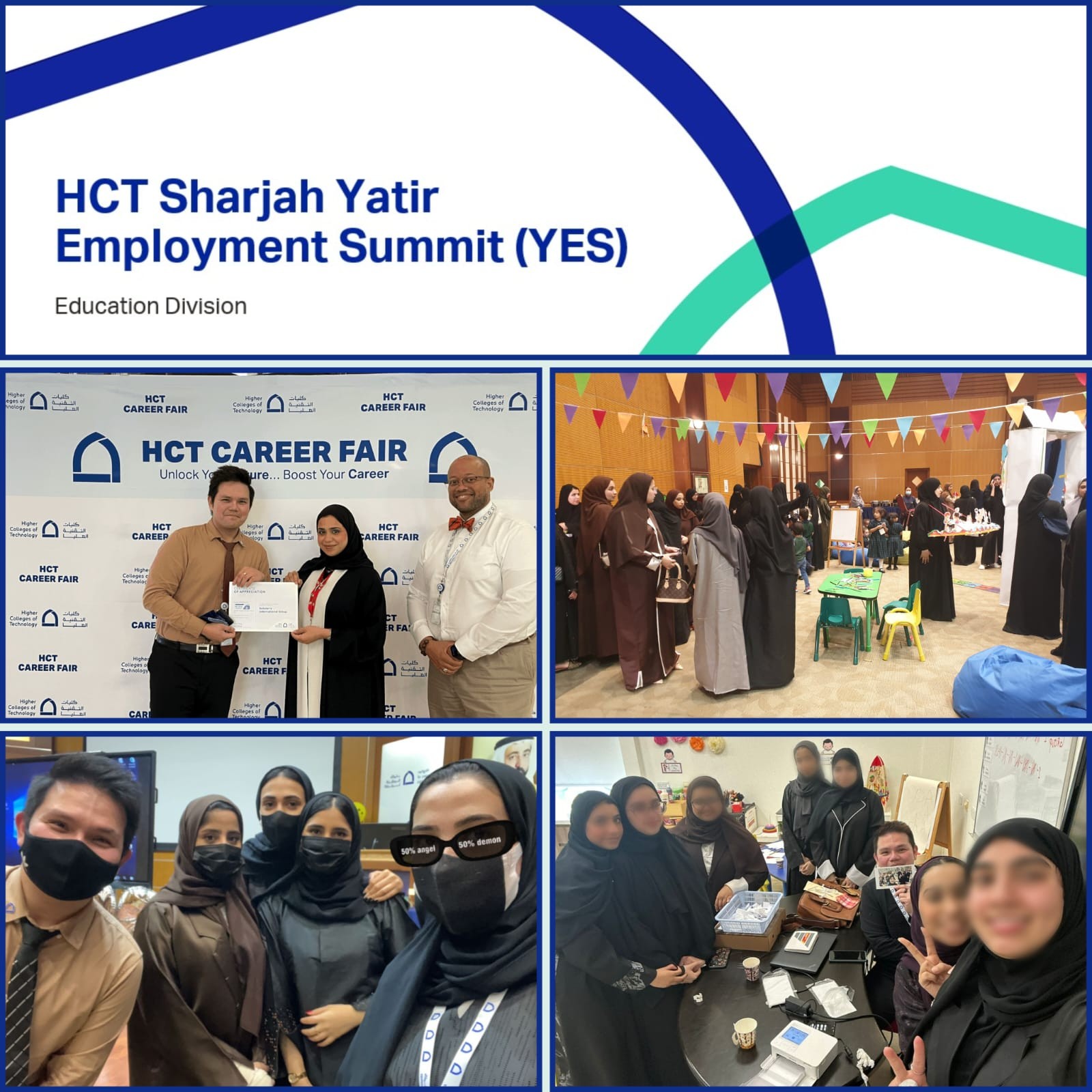
YES–Education summit networking
For institutions aiming to build meaningful and sustainable engagement, several practical steps can support progress. Engagement should be designed as a connected pathway, where each initiative strengthens and builds upon the next. Universities can also deepen collaboration by co-creating initiatives with partners, working alongside them rather than simply inviting participation. Making employability outcomes visible is equally important, which can be achieved by tracking recruitment pathways and aligning graduate skills with workforce needs, while embedding engagement within the curriculum further strengthens this approach, allowing partner feedback to inform practicum design and readiness preparation. Finally, showcasing student work through workshops, applied research, and collaborative innovation helps demonstrate tangible impact and reinforces the value of university–industry collaboration.
Engagement in higher education holds the greatest impact when it grows beyond individual activities and becomes a thoughtfully designed system grounded in reciprocity, evidence, and shared outcomes. When approached with intention, engagement can serve as a powerful driver of transformation for institutions, partners, and students alike.
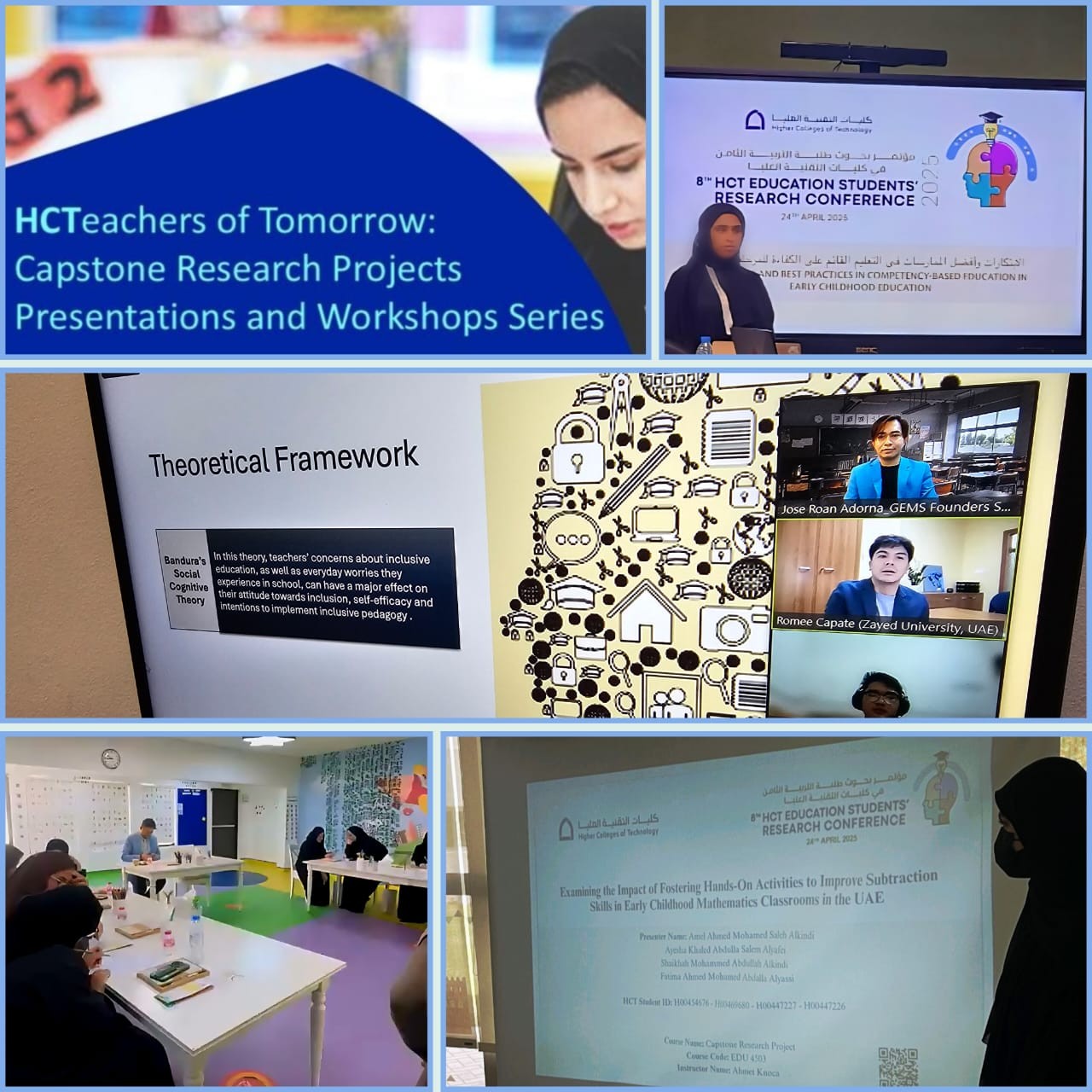
Research Presentations and Workshops
Through
HCTeachers of Tomorrow, one key insight emerged: lasting partnerships are built through collaboration that creates value for everyone involved. Rather than seeking support from industry, the focus shifts toward working alongside partners to co-create meaningful opportunities, shared learning, and mutual growth.
The future of engaged universities lies in strengthening this mindset—from simple participation to shared ownership. When engagement is nurtured in this way, it becomes a pathway to employability, innovation, and sustained impact, supporting not only immediate outcomes but also long-term progress across the education sector. In this sense, the initiative reflects ACEEU's standards
Influence Within the Ecosystem,
Shared Goals, and
Impact, demonstrating how structured collaboration with partners can strengthen institutional relevance, generate measurable outcomes, and contribute to the development of a broader educational ecosystem.