The future belongs to those who believe in the beauty of their dreams.
— Eleanor Roosevelt
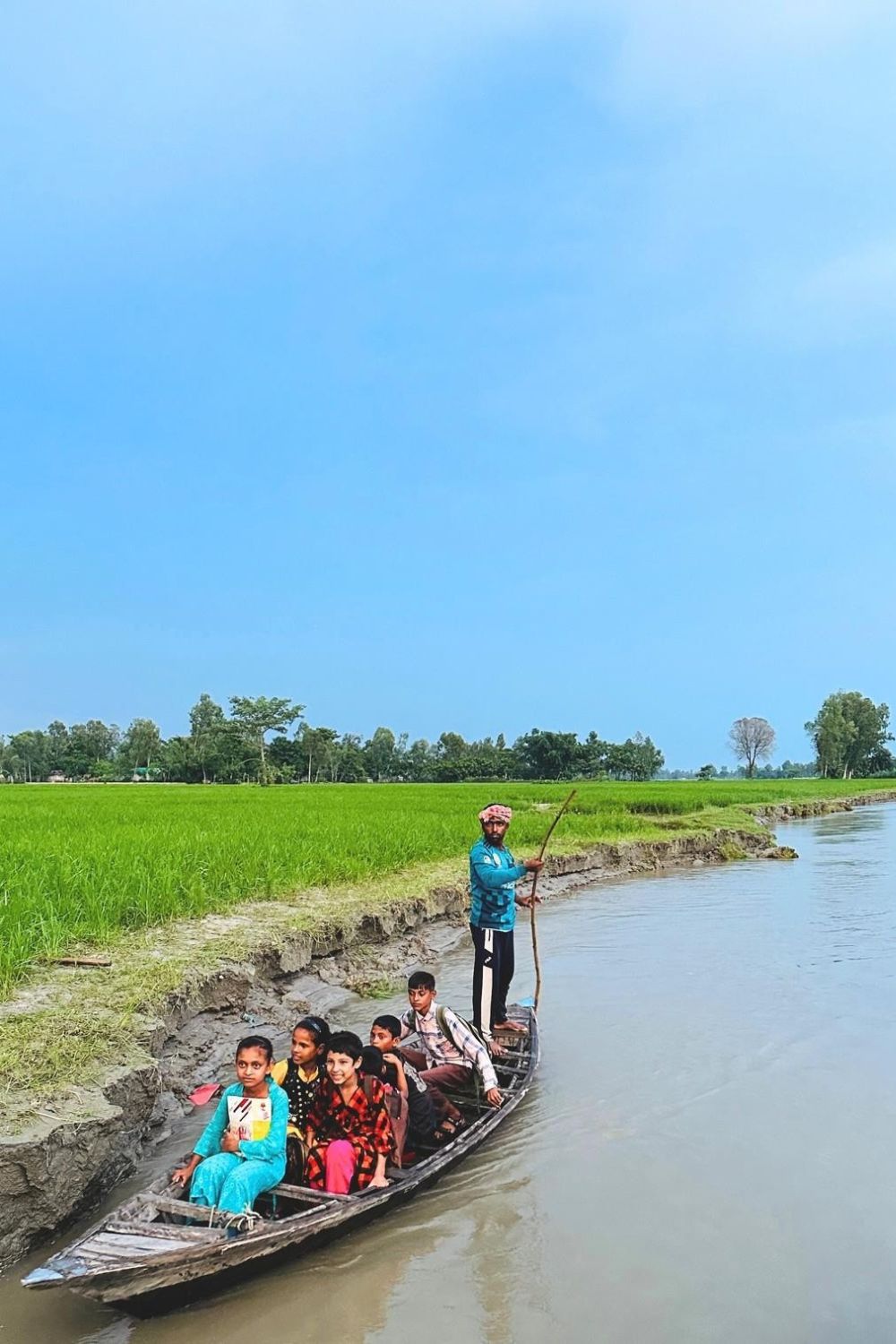
In the heart of the Teesta River lies Kolcondo, a small, quiet river island so remote that getting there feels like stepping back in time. There are no roads, no buses, and no bright signs, just sandy paths and bullock carts. During the monsoon season, when the river swells, boats become the only way to reach the outside world.
Before 2021, education on Kolcondo was almost impossible. The nearest school was nearly two hours away, a journey that most children could not manage. As a result, most kids spent their days helping their families by working in the fields, fetching water, or taking care of younger siblings. For them, school and learning were distant dreams, overshadowed by the daily struggle for survival.
That began to change when It’s Humanity Foundation (IHF), a nonprofit organization dedicated to transforming lives through education and community development, arrived on the island. But they did not come with ready-made solutions. Instead, they listened. They engaged with parents, children, and local leaders to understand the real challenges people faced: lack of schools, limited health services, clean water shortage, and few opportunities for youth or women. From their conversations, a vision emerged, not just to build a school but to create lasting opportunities for the entire community.
 Building Opportunity
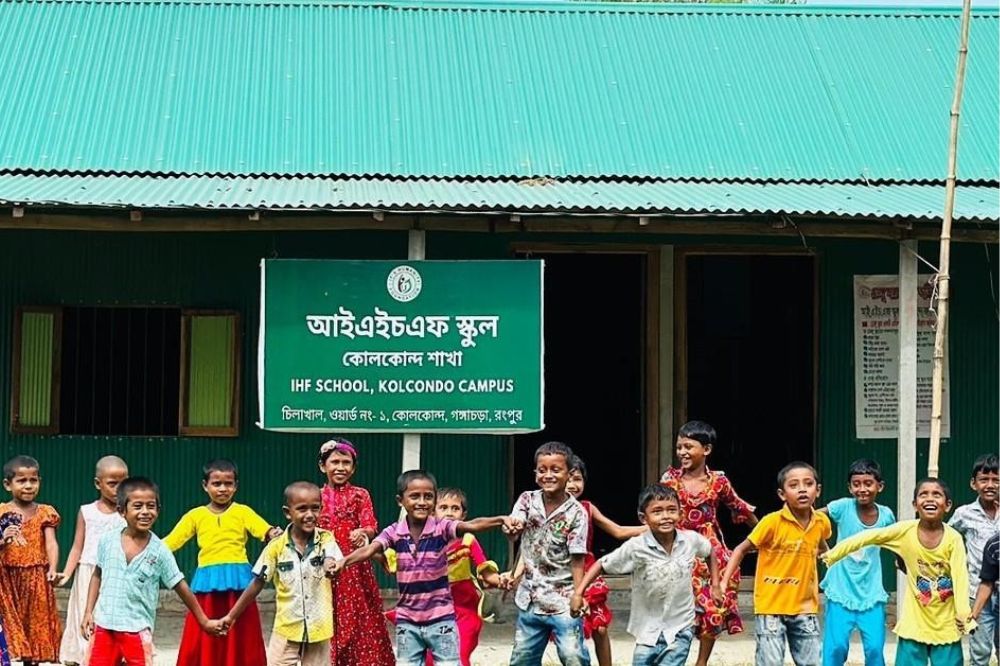
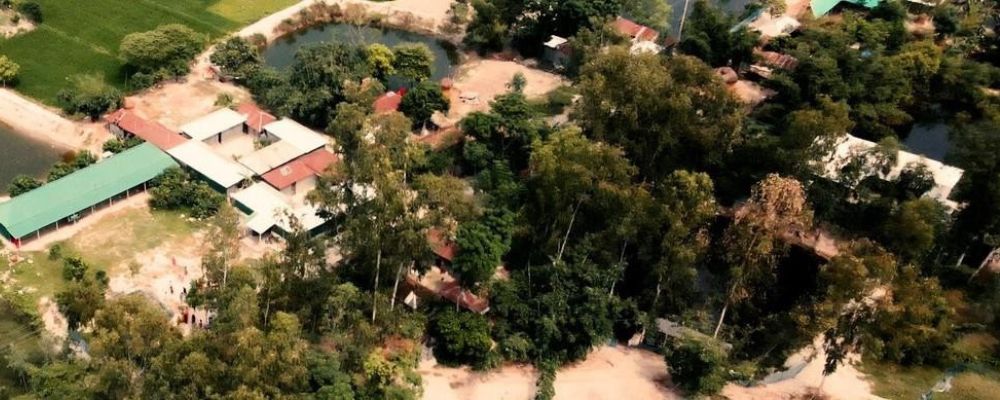
This vision became what we call today Kolcondo Campus. It is not just a building; it is a place where children are encouraged to learn, explore, and dream. Classrooms are filled with books, colors, and energy. Teachers are trained to notice and identify the different characteristics in children, nurture their curiosity and help them believe in their potential.
One student, 10-year-old Rofiq, is a perfect example of the change that the school brings. He had grown up helping his parents in the fields, never imagining a life beyond home chores. The idea of school felt meaningless to him - until he walked through the gates of Kolcondo Campus. At the school, his curiosity began to flourish. During a storytelling session, he raised his hand and said, “When cows get sick in our village, no one knows what to do. I want to learn how to help them.” For the first time, Rofiq had spoken a dream aloud. IHF even arranged for him to shadow a local veterinarian for a day, giving him a glimpse of what he could achieve.
Education Is More than a Campus
Kolcondo Campus is part of IHF’s Education Program, which today includes 14 schools across Bangladesh, mobile schools that bring education to children who cannot travel, and special initiatives for children with learning difficulties. But education is just one part of IHF’s work. The organization also empowers women through livelihood programs like Protibha and Protibha Flavors, teaching them to create crafts or homemade food products and earn income. Older youth receive vocational training through the Center for Youth Development, often in partnership with the Bangladesh Army, giving them practical skills and real employment opportunities.
To make these programs even more effective, IHF partners with universities. These partnerships allow universities to contribute their expertise, research, and resources, while IHF provides access to communities and insight into what works on the ground. Together, they design programs that are practical, effective, and sustainable. This collaboration reflects ACEEU’s standard “third mission activities,” which encourages universities to go beyond teaching by actively contributing to society.
These partnerships also create service alignment. For instance, universities can provide teacher training or educational materials and IHF can implement them in communities like Kolcondo. Together, NGOs and universities influence the wider ecosystem: students gain real-world experience, communities receive knowledge and support, and IHF expands the reach and quality of its programs. By pooling resources and aligning strategies, everyone benefits: children receive education, universities fulfill their societal mission, and NGOs create sustainable impact.
 Towards Future Impact
Other NGOs and Higher Education Institutions can learn from this approach by identifying shared goals and working together strategically. Collaborating on research, training, community programs, or infrastructure projects helps avoid duplication, reach more people, and strengthen programs. Regular communication, joint planning and mutual learning ensure that all partners contribute effectively to the community’s development.
Kolcondo Campus is a vivid example of what happens when NGOs, universities, and communities work together. Children like Rofiq gain education and hope for the future. Teachers receive training and support. NGOs expand their impact. Universities can turn knowledge into action. Together, they create lasting change through Third Mission Activities and service alignment, proving that even in the most remote places, dreams can grow when people listen, believe, and act.